Anthropic's Claude Can Now Learn Tasks by Watching Your Screen
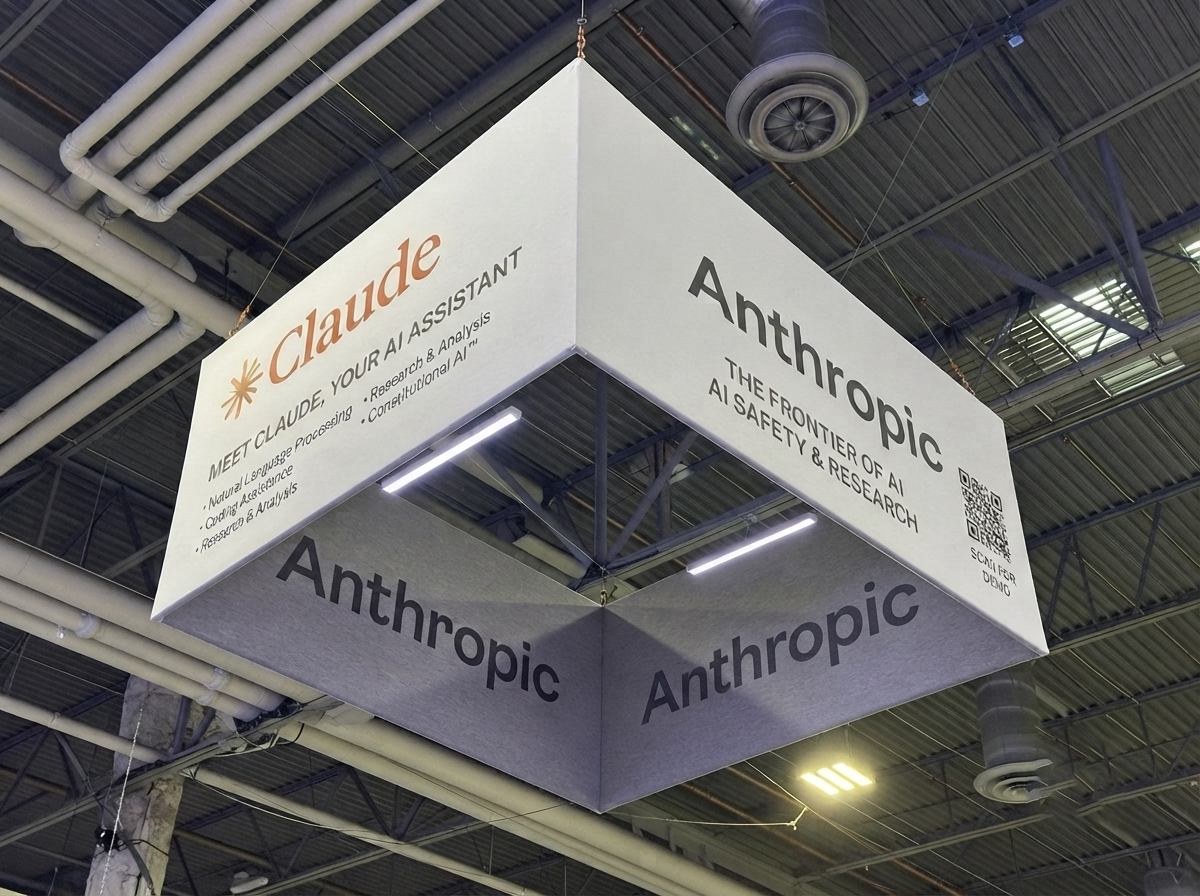
Artificial Intelligence is rapidly evolving from a simple chatbot into an intelligent workplace assistant. Anthropic has introduced a powerful new capability for its Claude AI models that enables them to understand and learn workflows by analyzing videos and screen recordings.Instead of requiring detailed written instructions for every task, Claude can now observe how a process is performed, understand the sequence of actions, and assist users in completing similar tasks more efficiently.This advancement marks another major step toward AI-powered workplace automation, making it easier for businesses to document processes, train employees, and improve operational efficiency.
What Is Claude's New Video Learning Capability?
Traditionally, AI assistants relied on text-based prompts to understand user requests. With this latest enhancement, Claude can interpret information from videos and screen recordings, allowing it to understand how tasks are performed visually.For example, if someone records themselves completing a workflow—such as updating a CRM, generating a report, or processing an invoice—Claude can analyze the recording and help explain or reproduce the process.This represents a significant improvement in how AI systems can assist users with complex digital workflows.
How Does It Work?
The technology enables Claude to process visual information alongside text, allowing it to:
- Understand user interface interactions
- Recognize buttons, menus, and forms
- Follow multi-step workflows
- Interpret visual changes on the screen
- Generate instructions based on observed actions
- Help automate repetitive business processes
Rather than simply answering questions, Claude becomes capable of understanding how work gets done.
Why This Matters for Businesses
Businesses spend countless hours documenting standard operating procedures (SOPs), training new employees, and answering repetitive operational questions.An AI assistant that can learn directly from screen recordings offers several advantages.
Faster Employee Onboarding
Instead of creating lengthy manuals, organizations can record everyday workflows and allow Claude to generate step-by-step guidance for new employees.
Better Process Documentation
Companies often struggle to keep internal documentation updated.Recording a workflow can become a faster and more accurate way to create documentation, reducing manual effort.
Increased Productivity
Employees spend less time searching for instructions and more time completing meaningful work.Claude can quickly explain procedures based on previously observed workflows.
Knowledge Retention
When experienced employees leave an organization, valuable operational knowledge often leaves with them.Recording workflows helps preserve institutional knowledge that AI can later reference to support other team members.
Reduced Human Error
Consistent guidance generated from standardized workflows can reduce mistakes in repetitive tasks such as:
- CRM updates
- Data entry
- Invoice processing
- Customer support workflows
- HR onboarding
- Marketing campaign setup
Practical Business Applications
Claude's video understanding capability can benefit organizations across many industries.
Digital Marketing
Marketing teams can demonstrate how to:
- Create Google Ads campaigns
- Build Meta Ads
- Perform SEO audits
- Generate analytics reports
- Publish website content
New team members can learn these processes much faster.
Sales Teams
Sales representatives can record:
- CRM updates
- Lead qualification
- Pipeline management
- Customer follow-ups
Claude can later explain each workflow whenever needed.
Customer Support
Support teams can build visual knowledge bases showing:
- Ticket handling
- Refund processing
- Escalation procedures
- Software troubleshooting
This helps improve consistency across support operations.
Finance and Administration
Finance departments can record recurring activities such as:
- Invoice approval
- Expense management
- Payroll processing
- Financial reporting
Claude can assist employees by breaking these processes into clear, repeatable steps.
What Makes This Different from Traditional AI?
Most AI assistants respond only after receiving detailed prompts.Claude's new capability shifts that model by allowing AI to learn from observation rather than relying exclusively on written instructions.This makes interactions more natural because humans often demonstrate tasks visually instead of explaining every detail in words.It also reduces the amount of prompt engineering required to achieve useful results.
Benefits for Small Businesses
Small businesses often lack dedicated training teams or extensive documentation.By recording routine workflows, business owners can create reusable knowledge resources that Claude can help explain and support.Potential benefits include:
- Lower training costs
- Faster onboarding
- Improved operational consistency
- Better knowledge sharing
- Increased team productivity
Are There Privacy Considerations?
While video-based learning offers significant advantages, organizations should remain mindful of privacy and security.Before sharing screen recordings with AI tools, businesses should:
- Remove sensitive customer information
- Hide passwords and authentication codes
- Avoid exposing confidential financial data
- Follow internal security and compliance policies
- Review AI usage guidelines before uploading business materials
Responsible use of AI is essential for protecting company and customer data.
The Future of AI-Powered Workflows
The ability for AI to understand tasks by watching videos signals a broader shift in workplace technology. Instead of simply answering questions, AI is evolving into a collaborative assistant that can learn, document, and help execute business processes.As multimodal AI capabilities continue to improve, organizations may increasingly rely on AI to accelerate training, preserve institutional knowledge, and streamline everyday operations.Businesses that adopt these technologies thoughtfully will be better positioned to improve efficiency while enabling employees to focus on higher-value work.
Final Thoughts
Anthropic's latest enhancement to Claude represents an important milestone in the evolution of workplace AI. By enabling the model to learn workflows from videos and screen recordings, businesses gain a practical new way to simplify training, document processes, and improve operational efficiency.Although human expertise remains essential, AI assistants that learn through observation are likely to become valuable partners in modern workplaces, helping teams work smarter, faster, and with greater consistency.