Google Is Bringing Local Services Ads Into Google Ads
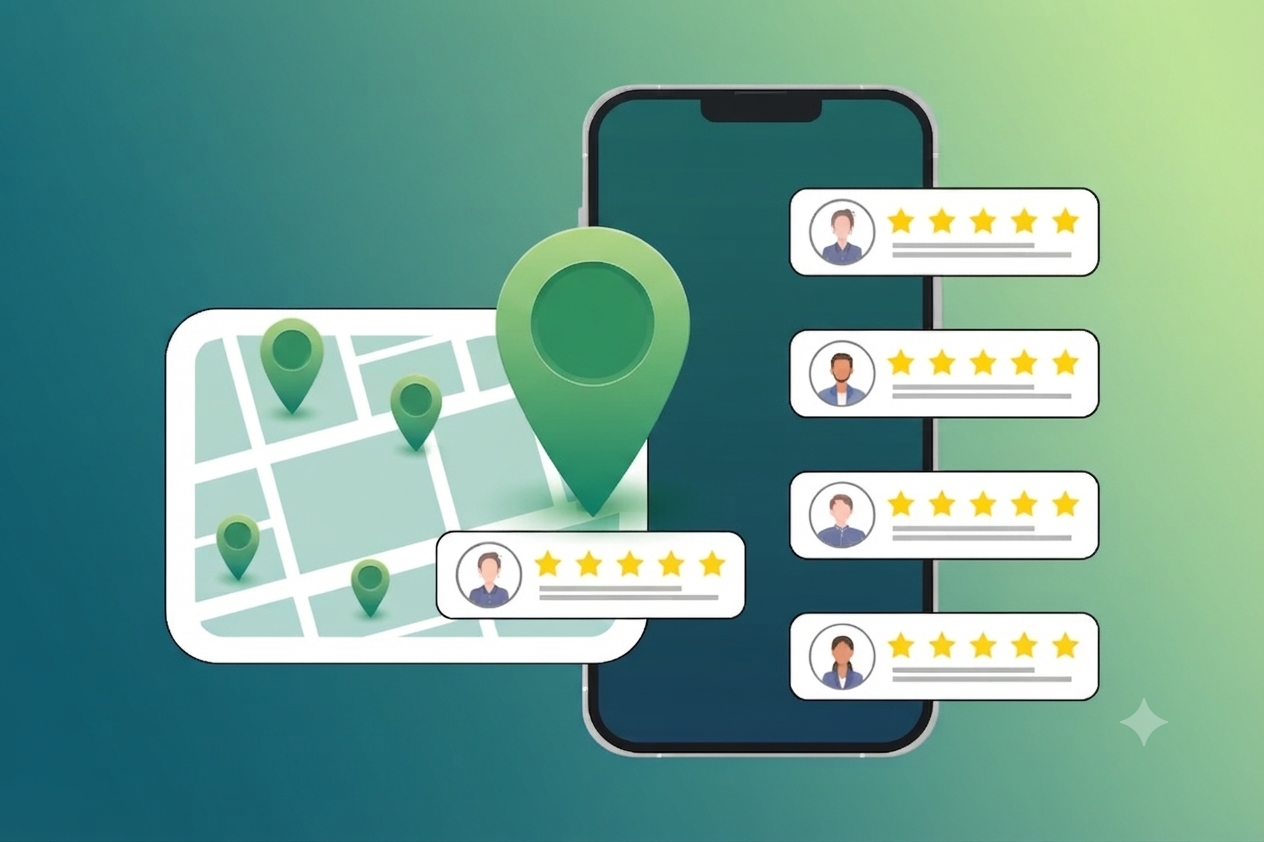
Google is taking another major step toward simplifying its advertising ecosystem by integrating Local Services Ads (LSAs) into the Google Ads platform. This move is expected to make campaign management easier for businesses while providing advertisers with a more unified experience across Google's advertising products.For local businesses, agencies, and digital marketers, this change could significantly impact how local lead generation campaigns are created, managed, and optimized.
What Are Local Services Ads?
Local Services Ads (LSAs) are Google's pay-per-lead advertising solution designed for local service providers such as:
- Plumbers
- Electricians
- Real estate agents
- HVAC companies
- Lawyers
- Home cleaning services
- Locksmiths
- Financial services
- Beauty and wellness professionals
Unlike traditional Google Search Ads, businesses are charged only when they receive qualified leads rather than when someone clicks on the ad.LSAs typically appear at the very top of Google Search results and often display the Google Guaranteed or Google Screened badge, helping businesses build trust with potential customers.
What's Changing?
Previously, Local Services Ads were managed through a dedicated Local Services platform that was separate from Google Ads.Google is now beginning to bring Local Services Ads into the Google Ads interface.This means advertisers will eventually be able to manage both:
- Search Campaigns
- Performance Max
- Display Campaigns
- Video Campaigns
- Local Services Ads
from one centralized dashboard.The goal is to reduce complexity and create a more seamless advertising workflow.
Why This Matters
Managing multiple advertising platforms has always been challenging for agencies and business owners.By integrating LSAs into Google Ads, Google aims to:
- Simplify campaign management
- Improve reporting and performance insights
- Provide unified billing
- Streamline account management
- Help advertisers optimize campaigns more efficiently
This is especially beneficial for digital marketing agencies managing multiple client accounts.
Benefits for Businesses
1. One Dashboard for Everything
Businesses no longer need to switch between different Google platforms to monitor performance.Campaigns, leads, budgets, and reports can all be managed from Google Ads.
2. Better Performance Reporting
Having Local Services Ads alongside Search and Performance Max campaigns allows marketers to compare performance more effectively.Advertisers can better understand:
- Cost per lead
- Lead quality
- Conversion performance
- Overall ROI
3. Easier Budget Management
Businesses can allocate advertising budgets more efficiently across multiple campaign types without juggling separate systems.
4. Improved Workflow for Agencies
Marketing agencies often manage dozens or hundreds of client accounts.A unified platform reduces administrative work and makes campaign optimization much faster.
5. Stronger Local Lead Generation
Since LSAs already focus on high-intent customers searching for immediate services, combining their insights with Google Ads data can help marketers make smarter optimization decisions.
Will Local Services Ads Still Work the Same Way?
For the most part, yes.The core features remain unchanged:
- Pay-per-lead pricing
- Google Guaranteed eligibility
- Customer reviews
- Lead management
- Local targeting
The biggest difference is where advertisers manage these campaigns.
What Should Businesses Do Now?
If your business already uses Local Services Ads:
- Watch for notifications in your Google Ads account.
- Familiarize yourself with the updated interface.
- Review your lead tracking setup.
- Ensure your business profile and verification details are up to date.
- Continue monitoring lead quality and response times.
If you're not yet using LSAs, this integration may make them easier to adopt as part of your overall digital marketing strategy.
What This Means for Digital Marketers
The integration reflects Google's broader strategy of creating a unified advertising ecosystem.For digital marketers, this means:
- Less time spent navigating multiple platforms
- More centralized reporting
- Better campaign optimization opportunities
- Improved client reporting
- Enhanced cross-campaign analysis
Agencies that specialize in local lead generation can expect more streamlined operations and potentially improved campaign performance over time.